Psychoeducational & Psychological Evaluation


Timely and Affordable Evaluations for All Ages

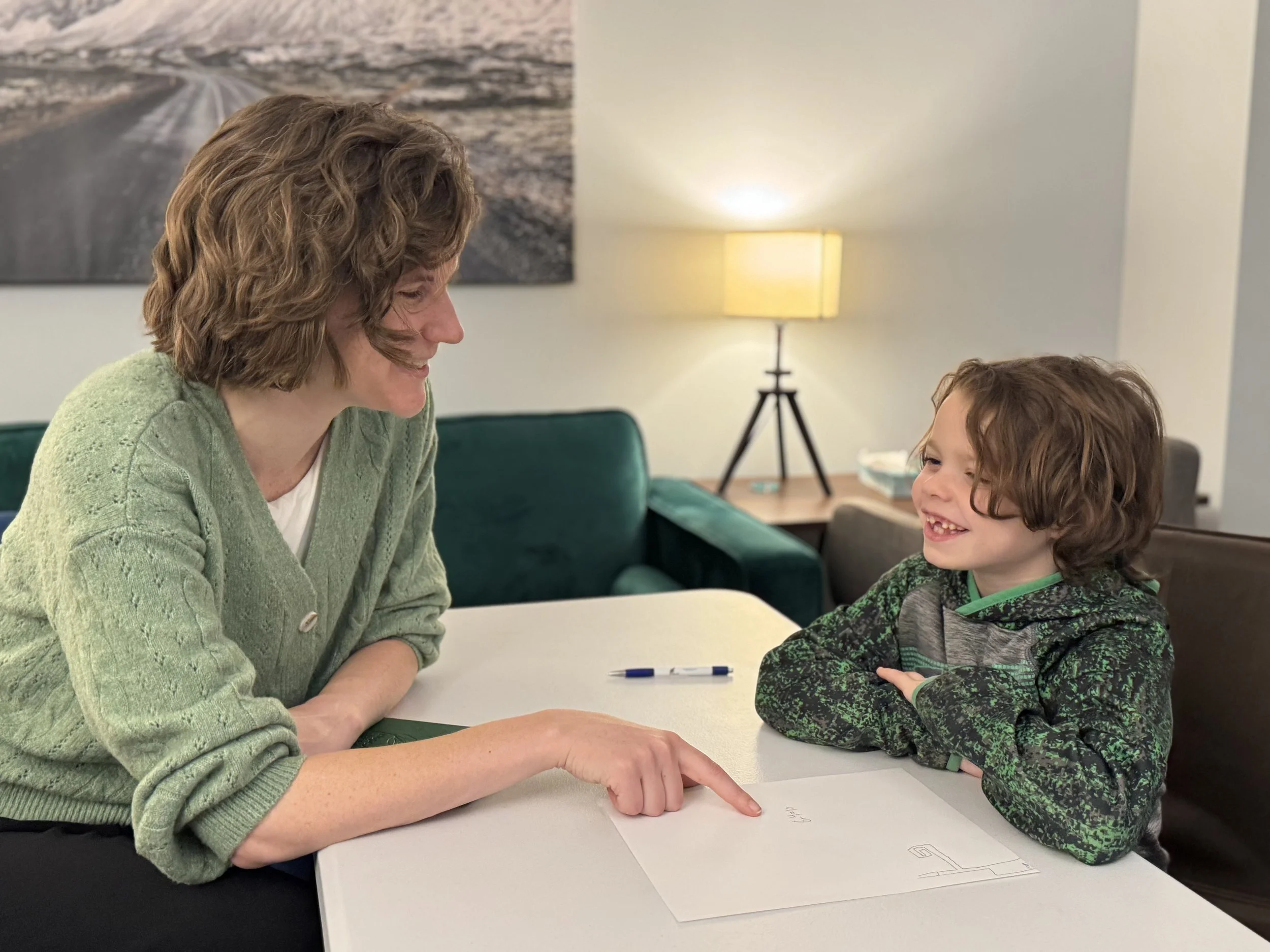
At Hope Ave Therapy, we specialize in psychological and neuropsychological assessments for children, teens, college students, and young adults — typically ages 6 to 22. Each evaluation is carefully tailored to help you understand patterns in learning, attention, emotions, and behavior so you can move forward with clarity and confidence.
In select cases, we also offer assessments for adults.

Not sure what kind of evaluation fits your needs?
Schedule a free consultation — we’ll help you determine which approach is most appropriate for your goals.


Our Assessment Services

Choosing the right kind of testing can feel overwhelming. For most school-aged children and teens, the Comprehensive Neuropsychological Assessment offers the clearest answers and the best long-term value. It provides a full picture of learning, attention, behavior, and emotional functioning, and it’s also the standard approach for 3-year re-evaluations (full neuropsychs).
Comprehensive Neuropsychological Assessment
Our most complete, whole-child evaluation — ideal for first-time testing or when concerns span multiple areas such as attention, learning, emotions, behavior, or inconsistent school performance. This is also the format we use for 3-year follow-up re-evaluations.
Assesses all major domains:
  • Cognitive: IQ, reasoning, information processing
  • Academic: reading, writing, math achievement
  • Executive Function: attention, working memory, organization
  • Social–Emotional–Behavioral: mood, anxiety, self-concept, relationships
Psychological Assessment
Focuses on emotional wellbeing, personality functioning, and self-understanding. Useful for clarifying mood/anxiety disorders, trauma, OCD, or neurodivergent identity (e.g., Autism, ADHD) in adolescents and adults.
Includes:
  • Cognitive & executive functioning measures
  • Social–emotional and behavioral assessment
Psychoeducational Assessment
Designed to understand how a student learns. Often used to explore learning disabilities, processing weaknesses, or academic underperformance. Results can support IEPs, 504 plans, and other school accommodations.
Includes:
  • Cognitive testing
  • Academic achievement evaluation
Targeted or Follow-Up Evaluations
Shorter evaluations when one specific area needs attention—such as attention/ADHD, anxiety, executive skills, or reading fluency.

Note: These are *not* used for 3-year re-evaluations. Those are full neuropsychs.
Common options:
  • Academic updates
  • Executive function check-ins
  • Social–emotional screenings
  • Readiness or re-entry evaluations

Which Assessment Do I (or My Child) Need?

Answer a few questions. We support children, teens, college students, and adults.

1. Who is the evaluation for?
A child or teen (ages 4–18)
A college student
An adult (18+)
2. What are the main concerns?
Multiple areas (attention, learning, anxiety, behavior)
Emotional wellbeing, trauma, identity
Academic or learning difficulties
One specific question (ADHD only, reading fluency only)
3. Have you (or your child) ever had a full evaluation?
No, never
Yes, more than 3 years ago
Yes, within the last 3 years
4. What is the primary reason for the evaluation? (Select all that apply)
Diagnostic clarity / understand what’s going on
School accommodations (IEP, 504, college DSO)
Emotional or identity understanding
Progress check / update
Documentation for school, work, or disability services
Not sure
5. What type of report do you need?
A full, integrated report
A shorter, targeted summary
Not sure

Your Recommended Assessment

 Meet Our Assessment Team


Teresa Lacks, LEP

Director of Assessment, Licensed Educational Psychologist

"As a Licensed Educational Psychologist, I have over 8 years of experience conducting and interpreting psychological evaluations for children, adolescents and young adults in Massachusetts public and private school settings. Alongside administering professional cognitive, academic, and social-emotional assessments, I make sure to interview the people who know the client best, including their teachers, special educators, counselors, healthcare providers, parents, and the children themselves.

Respecting and integrating these viewpoints allows me to create a well-rounded and useful understanding of the client’s experience of life, their unique strengths and challenges, and the most supportive environments for their growth. I believe that beyond merely suggesting a label, the evaluation process is about getting to know the person in front of me. The developmental profile I construct and the recommendations I provide will reflect my client’s humanity.

The findings from my evaluations have led to educational diagnoses of health impairments like ADHD, emotional impairments such as anxiety and depression, specific learning disabilities such as dyslexia and dyscalculia, autism spectrum disorder, developmental delay, intellectual impairment, and communication impairment. I look forward to helping you or your child take the next step toward progress and support."


April Valete, EdS, LEP, NCSP

Licensed Educational Psychologist

“I am a Licensed Educational Psychologist (LEP) and Nationally Certified School Psychologist (NCSP) with experience working with individuals from diverse populations in a variety of settings, including public schools, residential programs, community-based programs, and hospitals. I specialize in working with children and adolescents ages 3-22 years, though I also have experience working with adults facing chronic mental health conditions. I earned my Bachelor’s degree in Psychology with minors in Neuroscience and Spanish Studies from the University of Minnesota-Twin Cities, followed by a Master’s and Educational Specialist Degree in School Psychology from Tufts University. 

My work is grounded in building collaborative, trusting relationships with the individuals and families I support, employing a humanistic and multicultural perspective. I focus on a comprehensive, holistic, and client-centered approach that aims to understand or consider the full context of a person’s strengths, skills, and areas for growth. I strive to create an environment where clients feel understood, supported, and empowered. My hope is not only to address mental health concerns but also to foster the development of essential skills, including executive functioning, social-emotional regulation, and self-advocacy. 

Outside of work, I enjoy volunteering in my community, trying new food, cooking, indulging in sweets, playing videogames, playing ice hockey, and exploring with my dog.”


Our Assessment Process

Clear steps, a warm approach, and recommendations you can use.

Step 1 Initial Consultation

You’ll meet with our intake coordinator to share your concerns, goals, and questions.

  • Purpose: Tailor the evaluation to your specific referral needs.
  • Outcome: A clear plan for scope and next steps.
Step 2 Assessment Sessions

Our assessment specialist conducts testing with you or your child. Sessions may include cognitive measures, academic achievement, and social-emotional/behavioral evaluations.

  • Goal: Gather a comprehensive learning and developmental profile.
  • Format: One or more sessions, paced for comfort and accuracy.
Step 3 Analysis & Report

We integrate results into a clear, actionable report—including diagnostic impressions (when applicable), strengths, growth areas, and tailored recommendations.

  • Timeline: Report typically completed within ~4 weeks from the start of testing.
Step 4 Feedback Session

We meet to review results, answer questions, and map next steps (school supports, accommodations, treatment, or referrals).

  • Purpose: Ensure you feel confident using the findings moving forward.

What to Expect

Timeline 4–6 weeks overall

From initial testing date to feedback, most evaluations are completed in 4–6 weeks (report writing is ~4 weeks).

Comfort Supportive, low-stress approach

We pace sessions thoughtfully, offer breaks, and create a calm, supportive environment for kids and adults.

Cost Tailored to your needs

Pricing depends on referral questions and scope. We’ll discuss options during your consultation and provide a clear estimate.

Next Steps

Have specific questions? Email our Director of Assessment, Teresa Lacks, LEP: Teresa@HopeAveTherapy.com